Topics

Gifu's Hot Spring Therapy

There are various bathing methods in hot springs, aren't there?

In our country, through long-standing interactions with hot springs, we have developed various bathing methods.
Additionally, each hot spring area across the country has unique bathing methods that utilize the characteristics of their hot springs. Let's choose a bathing method that suits your purpose and enjoy the hot springs.
Next, I will introduce some bathing methods.
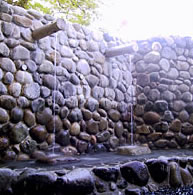
Utase-yu
Also known as "waterfall bath," this method involves letting hot spring water fall like a waterfall from a height of 2-3 meters, hitting the shoulders and neck. The heat of the hot spring and the massage effect of the falling water help relieve muscle stiffness. It is effective for stiff shoulders and back pain.

Utase-yu (Gero Onsen)

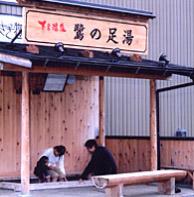
Ashiyu (Gero Onsen)
Ashiyu
This method involves soaking from the knees down in hot spring water, improving overall blood circulation and being effective for cold sensitivity.
Compared to full-body baths, it is less taxing on the body and can be done even when you are feeling weak. Recently, many hot spring areas have footbath spots, so please try ashiyu when you visit a hot spring area.
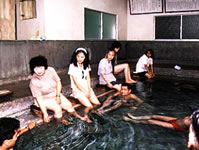
Walking Bath
This bathing method involves walking barefoot in a shallow bath up to the knees, combining the effects of a footbath with moderate exercise, and is effective for cold sensitivity and autonomic imbalance.
Ne-yu
This method involves lying in lukewarm water at about body temperature for 20-30 minutes, allowing for a relaxing bath. It helps with relaxation, fatigue recovery, and insomnia.
High-Temperature Bath
This method involves short-term bathing in high-temperature hot springs (43°C or higher), which increases heart rate and blood pressure due to sympathetic nerve tension, while suppressing gastric juice secretion.
If you want to feel refreshed, a high-temperature bath is recommended, and it is also expected to have a dieting effect. However, as blood pressure rises rapidly, people with heart disease or hypertension should avoid it.
The famous "time bath" at Kusatsu Onsen is conducted under the guidance of a bath leader, with time limits for high-temperature bathing.
Warm Bath
This method involves long-term bathing in slightly lukewarm hot springs at 36-38°C, which activates the parasympathetic nervous system, providing a calming effect and relieving stress.
Although many Japanese people prefer hot water, staying longer in lukewarm water is less taxing on the heart, warms the body to the core, and prevents getting cold after the bath.
Low-Temperature Bath

Kannojigoku Onsen, Kokonoe Town, Oita Prefecture
This method involves bathing in low-temperature hot springs below 20°C, which is said to be effective for neuralgia and rheumatism.
The "cold bath" at Kannojigoku Onsen in Oita Prefecture is famous.
Mud Bath
This bathing method involves soaking in hot springs mixed with natural mud, which is expected to have effects due to the heat retention of the mud and the mineral components it contains. It is said to be effective for neuralgia, rheumatism, and muscle pain, with the "mud bath" at Beppu Onsen being famous.
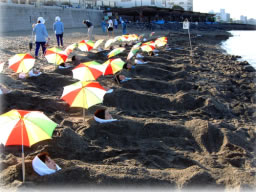
Sand Bath

Sand Steam Bath, Ibusuki Onsen, Ibusuki City, Kagoshima Prefecture

This method involves burying the entire body in sand on the beach or riverbank, soaking in the hot spring water seeping from the ground. The heat of the hot spring combined with the pressure of the sand enhances metabolism and promotes sweating.
The "sand steam bath" at Ibusuki Onsen in Kagoshima Prefecture is famous and is effective for neuralgia.
Steam Bath
This bathing method utilizes hot spring steam, with options such as "steam room bath," where you enter a room filled with steam, or "box steam bath," where you enter a small box filled with steam with only your head exposed. It enhances metabolism, making it effective for muscle pain, joint pain, and fatigue recovery, and the effects of hot spring steam are also said to be beneficial for respiratory diseases.
The "box steam bath" at Goshogake Onsen in Akita Prefecture is well known.
Ondol Bath (Heat Bath)
This method involves lying on a mat placed on a floor heated by hot springs or ground heated by geothermal heat, providing therapy for neuralgia and back pain.
"Ondol" refers to floor heating used in Northeast China (formerly Manchuria), with the "rock bath" at Tamagawa Onsen in Akita Prefecture being famous.